

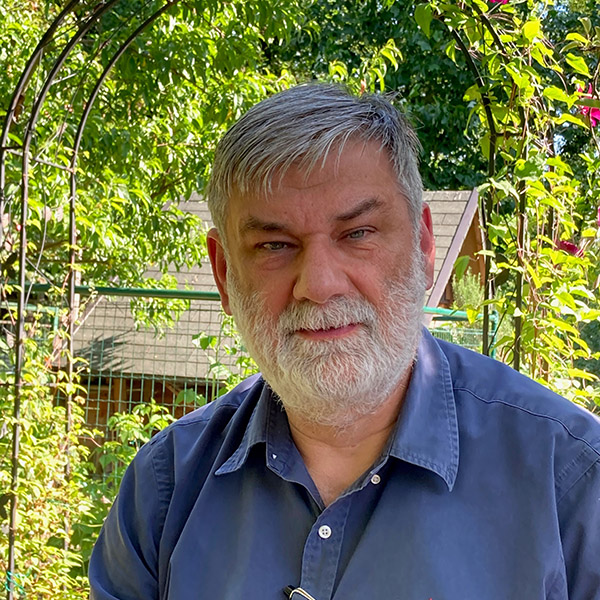
Philippe Delespaul is professor of Innovation in Mental Health Care at Maastricht University (Department of Psychiatry and Neuropsychology). He also works as a clinical psychologist at Mondriaan in Maastricht/Heerlen and advises the institution and region on health care innovation. He is a board member of the CCAF, (F)ACT-Nederland, GIP-Benelux, Hersteltalent, BWOOKP and Stichting Nieuwe GGZ.
He has expertise in the field of public health, (inter)national organization of care, the optimization of network cooperation in the region (together with the social domain), the quality of multidisciplinary team cooperation and the development of professional action. He pays special attention to human rights (CRPD), experience / multi-expertise and the prioritization of care for people with severe mental illness. He is a pioneer (since 1983) of the Experience Sampling Methodology. He introduced the method in psychiatry and psychopathology. He developed the PsyMate™ Suite: a software package to simplify complex ESM data collection and enables shared decision-making in the therapeutic process. It pays special attention to privacy aspects (GDPR). He is a co-initiator of the User Research Center, the New Mental Healthcare Movement in the Netherlands (De Nieuwe GGZ) and the Campaign to Reduce Compulsion and Urge of F-ACT Nederland. He has written 2 books and over 50 chapters in edited books. He contributed to more than 200 international publications.
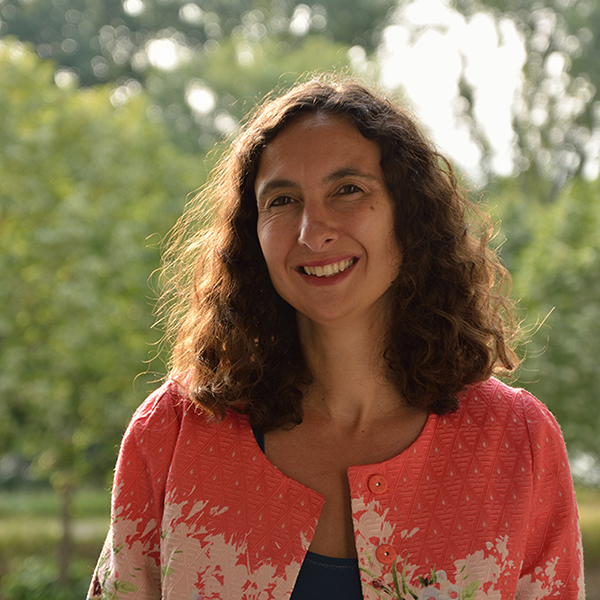
Claudia Simons is a senior researcher at GGzE and the Department of Psychiatry & Neuropsychology at Maastricht University. Her research focuses on mechanisms that underlie risk and resilience in psychopathology, in particular (social) cognitive functioning and daily (affective) processes in psychotic and depressive states. She applies ESM to study the underlying mechanisms of everyday life that underlie psychopathology and also focuses on the potential and clinical implementation of ESM as an e-health tool for self-monitoring and intervention.
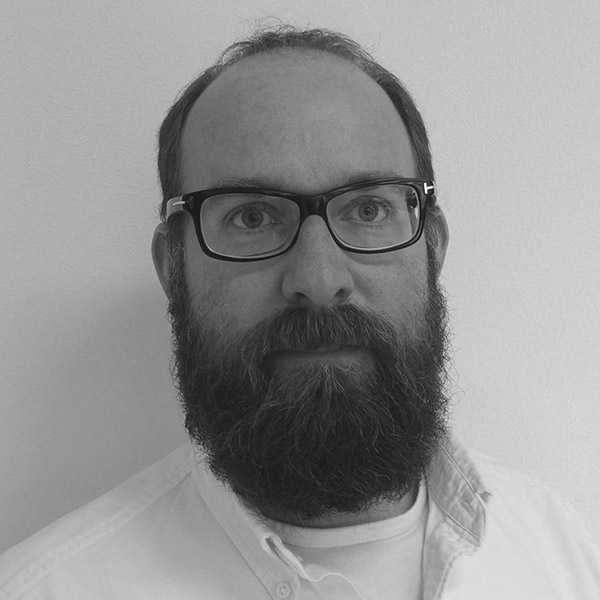
Wolfgang Viechtbauer is an associate professor at the Department of Psychiatry and Neuropsychology (Faculty of Health, Medicine and Life Sciences) and the School of Mental Health and Neuroscience at Maastricht University. Dr. Viechtbauer received MS and MA degrees in statistics and psychology from the University of Illinois, Urbana-Champaign, USA, where he also obtained his doctorate in 2004,
specializing in statistical methods for the social, behavioral and health sciences. Before joining his current department, he worked from 2004 to 2010 at the Department of Methodology and Statistics at Maastricht University. His research focuses on the statistical methods used for meta-analysis, but his interests include the design and analysis of longitudinal and multilevel studies using appropriate mixed-effects models. As a result, (and because of his role as a methodological / statistical expert within the department) he has become closely involved in designing and analyzing studies using ESM. He has published more than 130 articles in internationally recognized journals and was (co-) author of a number of book chapters and R-packages. He also regularly gives courses and workshops on various topics, including meta-analysis and the analysis of ESM data.

Simone Verhagen is a researcher at the Department of Psychiatry and Neuropsychology of Maastricht University and a psychologist at Mondriaan in Heerlen. Her PhD focused on bridging the gap between ESM research and the practical use of ESM in mental health. Her studies focus on expanding ESM capabilities for individual use towards recovery. She chooses a transdiagnostic approach with attention to resilience. In addition, she is working on extending ESM with short cognitive tasks that are suitable for variation measurements in daily life.
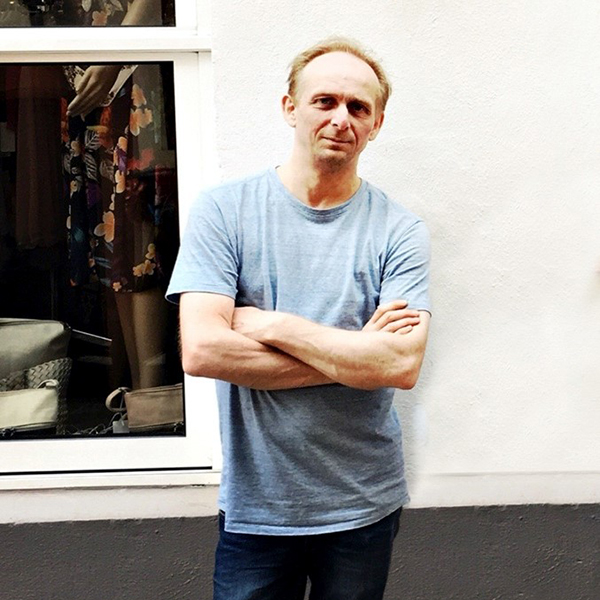
Karel Borkelmans is a programmer and technical advisor for the ESM studies. He thinks along about special wishes in questionnaires and branching and takes care of the helpdesk when using PsyMate™ on Android and iOS systems.

Nele Jacobs is a professor at the Department of Psychiatry & Neuropsychology at Maastricht University. She is also a professor of Lifespan Psychology at the Open University. She has over 20 years of experience with ESM research, mainly in healthy populations. For example, she was (partly) responsible for large-scale ESM twins-studies, in collaboration with the East Flemish multiple birth register. She studies affect, stress reactivity, gratitude in social interactions, as well as snacking behavior and alcohol consumption in everyday life. Much of her recent research has focused on studying and stimulating positive mental health throughout the lifespan, with an emphasis on well-being in everyday life.
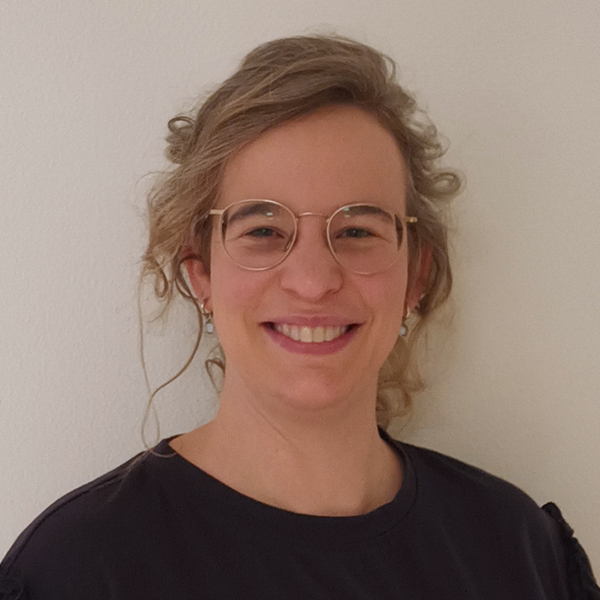
Nele Volbragt is a research coordinator at the Department of Psychiatry and Neuropsychology at Maastricht University. She provides input on the content of the ESM studies and provides training for this. Within the department she coordinates the studies from A to Z. She also supports the helpdesk of PsyMate ™.